Complete Planning Guide

Turn Your Coffee
Dream Into Reality

Everything you need to plan, design, and launch your perfect coffee shop — from concept to opening day, all in one place.

5 Planning Modules
80+ Checklist Items
$0 Cost to Use
🏆
Opening Day Ready Complete setup checklist
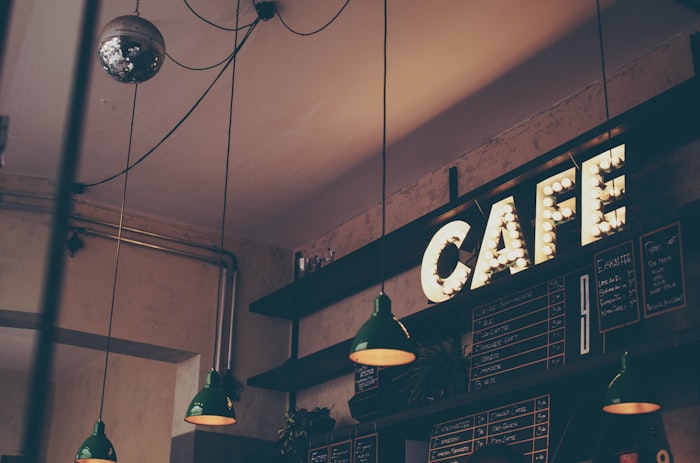
Beautiful coffee shop interior
📊
Budget Tracker Real-time calculations

Everything You Need to Open

Five comprehensive modules covering every aspect of your coffee shop journey.

💡

Concept & Brand

Define your vision, target audience, unique selling point, and brand identity.

Explore →
📐

Floor Plan & Design

Layout zones, seating capacity, traffic flow, and interior design guidelines.

Explore →
💰

Budget Calculator

Startup costs, monthly expenses, revenue projections, and break-even analysis.

Explore →
⚙️

Equipment Checklist

Every piece of equipment you need — from espresso machines to POS systems.

Explore →
📅

Launch Timeline

Week-by-week roadmap from lease signing to grand opening day.

Explore →

Your Planning Dashboard

Concept & Brand Identity

Define the soul of your coffee shop before anything else.

01

Shop Concept Types

🏅
Specialty Coffee Bar

Single-origin beans, pour-overs, expert baristas. Premium pricing, coffee-forward identity.

🏘️
Neighborhood Café

Community hub, all-day menu, comfortable seating. Loyal regulars, moderate pricing.

🚗
Drive-Thru / Kiosk

Speed-focused, high volume, low overhead. Ideal for commuter corridors.

🔥
Roastery Café

In-house roasting, education-focused, wholesale potential. High investment, high reward.

🎨
Themed / Experiential

Unique atmosphere (bookshop, plant café, art gallery). Instagram-worthy, destination appeal.

02

Brand Identity Worksheet

Warm Modern Rustic Minimalist Cozy Vibrant Artsy Industrial
03

Location Criteria

🚶
Foot Traffic

Aim for 200+ pedestrians/hour. Near transit stops, offices, or schools is ideal.

🏢
Space Size

800–1,500 sq ft for a standard café. Allow 15 sq ft per seated customer.

🅿️
Parking & Access

Nearby parking or bike racks. Corner locations get 30% more visibility.

💧
Utilities

3-phase power, adequate water pressure, proper ventilation for espresso equipment.

🏘️
Demographics

Match neighborhood income & lifestyle to your concept and price point.

🏪
Competition

Analyze nearby cafés. Differentiate or find an underserved area.

Floor Plan & Interior Design

Design a space that flows beautifully and maximizes revenue per square foot.

Zone Planning Guide

Bar / Service Area
25–30%

Espresso bar, brewing station, POS, display case. The heart of operations.

  • Espresso machine placement (center-stage)
  • Under-counter refrigeration
  • Barista workflow: 3-step triangle
  • Customer-facing display & menu board
Seating Area
45–55%

Mix of seating types for different customer needs and dwell times.

  • Counter seating (quick visits)
  • 2-top tables (couples, solo workers)
  • 4-top tables (groups)
  • Lounge/sofa area (long stays)
Back of House
15–20%

Storage, prep, staff area, and utilities. Keep it efficient and organized.

  • Dry & cold storage
  • Dishwashing station
  • Staff lockers & break area
  • Office / admin space
Restrooms & Circulation
10–15%

ADA-compliant restrooms and clear pathways for customer flow.

  • ADA accessible restroom
  • 36" minimum aisle width
  • Clear entry/exit flow
  • Pickup counter separation

Sample Floor Plan Layout

🚪 Entrance
☕ Service Bar
🥐 Display
🪑 Counter Seating
🪑 Tables (2–4 top)
🛋️ Lounge
📦 Back of House
🚻 Restrooms
Service Seating Back of House Utilities

Interior Design Principles

🎨
Color Psychology

Warm tones (terracotta, amber, cream) encourage longer stays and appetite. Avoid cold blues in dining areas.

💡
Lighting Layers

Ambient (overhead), task (work areas), accent (art/shelves), and natural light. Dimmer switches for evening mood.

🌿
Biophilic Elements

Plants, natural wood, stone surfaces. Studies show greenery increases customer dwell time by 15%.

🔊
Acoustics

Soft furnishings, rugs, and acoustic panels prevent echo. Target 65–70 dB ambient noise level.

📸
Instagram Moments

Design 2–3 intentional photo spots: a feature wall, a window nook, or a branded display.

Accessibility

ADA compliance: 36" aisles, accessible restroom, lowered counter section, clear signage.

Budget Calculator

Estimate your startup costs and monthly financials. Adjust values to match your situation.

📦 Startup Costs
$
$
$
$
$
$
$
$
$
$
$
📅 Monthly Operating Costs
$
$
$
$
$
$
📈 Revenue Projections
$

Financial Summary

Total Startup Cost $125,500
Monthly Revenue $26,520
Monthly Expenses $23,700
Monthly Profit $2,820
Profit Margin 10.6%
Break-Even (months) 44.5 mo
Annual Revenue $318,240
Annual Profit $33,840

Cost Breakdown

💡 Financial Tips

  • Keep food/beverage cost below 30% of revenue
  • Labor should be 35–40% of revenue max
  • Maintain 3 months operating costs as reserve
  • Track daily sales vs. projections from day one

Equipment Checklist

Track every piece of equipment you need. Check items off as you acquire them.

Overall Progress 0 / 0 items

Espresso & Coffee Equipment

❄️

Refrigeration & Storage

🍽️

Food Prep & Service

🧼

Cleaning & Sanitation

💻

Technology & POS

🪑

Furniture & Fixtures

Launch Timeline

A realistic week-by-week roadmap from concept to grand opening.

Phase 1

Foundation (Weeks 1–4)

Month 1
Week 1
Business Planning
  • Finalize concept and business model
  • Write business plan & financial projections
  • Research funding options (loans, investors, savings)
  • Register business entity (LLC, sole proprietor)
Week 2
Location Scouting
  • Identify 5–10 potential locations
  • Analyze foot traffic and demographics
  • Meet with commercial real estate agents
  • Review lease terms with a lawyer
Week 3
Financing & Legal
  • Apply for business loans or SBA financing
  • Open business bank account
  • Apply for EIN (Employer ID Number)
  • Consult with accountant on tax structure
Week 4
Lease & Brand
  • Sign commercial lease agreement
  • Hire brand designer for logo & identity
  • Secure domain name and social handles
  • Begin permit applications
Phase 2

Build-Out (Weeks 5–12)

Months 2–3
Weeks 5–6
Design & Contractors
  • Hire interior designer or architect
  • Finalize floor plan and layout
  • Get contractor bids for renovation
  • Order long-lead equipment (espresso machines)
Weeks 7–9
Construction Phase
  • Demolition and structural work
  • Plumbing and electrical rough-in
  • HVAC installation
  • Flooring, walls, and ceiling work
Weeks 10–12
Finishing & Installation
  • Install service counter and bar
  • Equipment delivery and installation
  • Lighting and fixture installation
  • Painting, décor, and signage
Phase 3

Operations Setup (Weeks 13–16)

Month 4
Week 13
Hiring & Training
  • Post job listings for baristas and manager
  • Interview and hire core team (4–6 staff)
  • Set up payroll system
  • Create employee handbook
Week 14
Menu & Suppliers
  • Finalize coffee menu and pricing
  • Source and taste-test coffee beans
  • Sign supplier agreements (dairy, food, cups)
  • Set up inventory management system
Week 15
Permits & Inspections
  • Health department inspection
  • Fire safety inspection
  • Obtain food handler permits for all staff
  • Finalize business license
Week 16
Soft Launch Prep
  • Staff training and barista practice
  • POS system setup and testing
  • Set up Google Business, Yelp, social media
  • Invite friends & family for soft opening
Phase 4

Grand Opening (Week 17+)

Opening Day 🎉
Week 17
🎉 Grand Opening Week
  • Launch social media campaign & press release
  • Grand opening event with promotions
  • Collect customer feedback actively
  • Monitor operations and adjust staffing
  • Track daily sales vs. projections
  • Respond to all reviews within 24 hours

📋 Pre-Opening Checklist

⚠️ Common Pitfalls

  • Underestimating renovation time (add 30% buffer)
  • Skipping the soft launch phase
  • Hiring too many staff before knowing demand
  • Not having 3 months of operating reserves
  • Ignoring online reviews in first 90 days
  • Pricing too low to compete on price alone

Tools & References

📜

Permits You'll Need

  • Business License
  • Food Service Permit
  • Health Department Certificate
  • Certificate of Occupancy
  • Sign Permit
  • Music License (ASCAP/BMI)
  • Seller's Permit (sales tax)

Coffee Suppliers

  • Direct Trade Roasters
  • Local Specialty Roasters
  • Wholesale Bean Distributors
  • Dairy & Alt-Milk Suppliers
  • Syrup & Flavoring Vendors
  • Cups & Packaging Suppliers
  • Cleaning Product Vendors
📱

Recommended Software

  • Square / Toast (POS)
  • QuickBooks (Accounting)
  • 7shifts (Staff Scheduling)
  • MarketMan (Inventory)
  • Mailchimp (Email Marketing)
  • Canva (Social Media Design)
  • Google Analytics (Website)
📚

Industry Benchmarks

  • Food Cost: 25–35% of revenue
  • Labor Cost: 35–40% of revenue
  • Rent: Max 10% of revenue
  • Avg ticket: $6–$12
  • Customers/day: 100–300
  • Profit margin: 6–15%
  • Break-even: 2–4 years